

WORLDWATCH
IBRiS conducts in-depth surveys on the opinions and moods of Poles in three-month cycles. These surveys differ from the usual measurements present in the information space, based mainly on quantitative surveys, where either fixed indicators or evaluation of current events are studied. For the most part, these surveys allow us to assess events in retrospect, but their predictive value for anticipating social changes that are yet to become apparent. is low. In this project, we rely on the results of in-depth qualitative research to assess the undercurrents of social change, as well as to identify vectors of social emotions and aspirations.
We launched the project at the end of 2021 with the first presentation to journalists from Poland’s largest print and online media. Now, with an expanded consumer component, we are presenting the results of subsequent waves of the project to representatives of embassies of more than a dozen countries, at business associations and at private companies.
The aim of the project is to create an independent system providing access to unbiased information on the state of public emotions in Poland.
We make the reports from successive editions of Światowid available to the public one year after the presentation.
Worldwatch in your company or institution!
Learn about the social mood of Poles - book a presentation of the Worldwatch Project report
The Worldwatch Project is more than just research - it is a comprehensive analysis of the emotions, aspirations and changes taking place in Polish society. Our reports are based on in-depth qualitative and quantitative research, offering unique insights into social dynamics that are hard to find elsewhere. Now is your chance to invite us to your company or institution and learn about the results of our latest report.
What will you gain by taking advantage of our presentation?
- Tailored analysis - during the presentation we will focus on areas relevant to your industry, such as changes in consumer sentiment, labor market perceptions, or political and social forecasts.
- Practical insights - the report provides tips on how to use social trends to build business strategies, effectively manage your team and communicate with the public.
- Experts at your fingertips - our specialists will present the data and answer your questions, helping you better understand the context of the report.
- Full flexibility - we can conduct the presentation stationary at your location or online. You choose the time, place and format.
Why is it worth it?
- You will learn what emotions and expectations dominate Polish society and how to use them to increase the effectiveness of your activities.
- You will understand the challenges and opportunities facing different social groups and, consequently, your organization.
- You will have access to unique knowledge that can change the way you look at the market and the surrounding reality.
The presentation is dedicated to:
- Companies seeking a competitive advantage and a deeper understanding of consumer sentiment.
- Public institutions analyzing changing social needs.
- Non-governmental organizations, opinion leaders, the media and everyone who cares about understanding the true picture of contemporary Poland.
Don't wait for change - be an informed participant.
Don't wait, get in touch today!

Read past reports
New publications appear every 3 months
Dryf
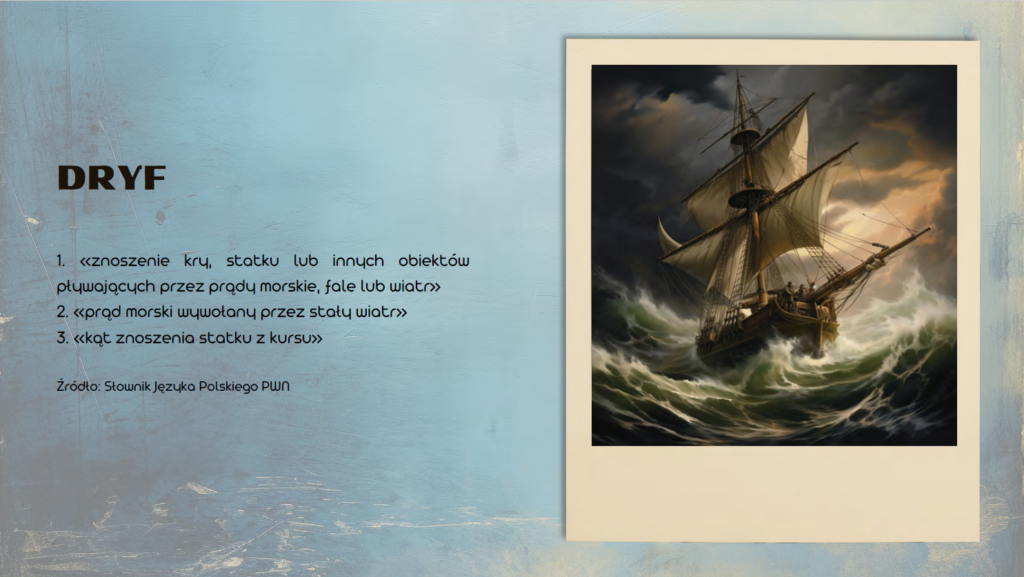
Is Poland drifting, or is it finding its course amid turbulent social and political events? The “Drift” report presents a fascinating analysis of the mood of Poles, who on the one hand declare that Poland is a safe place to live (69.6% rate it positively), while on the other hand worry about its future. What does the “crew” think about their ship? From inflation to women’s rights to the state’s relationship with the Church, a picture emerges of a society that balances between a sense of stability and anxiety.
How are Poles adapting to inflation, saving in daily expenses but extending vacation trips? Why are young voters attracted to the Confederation, and why do voters’ motivations vary by political camp?
Derby
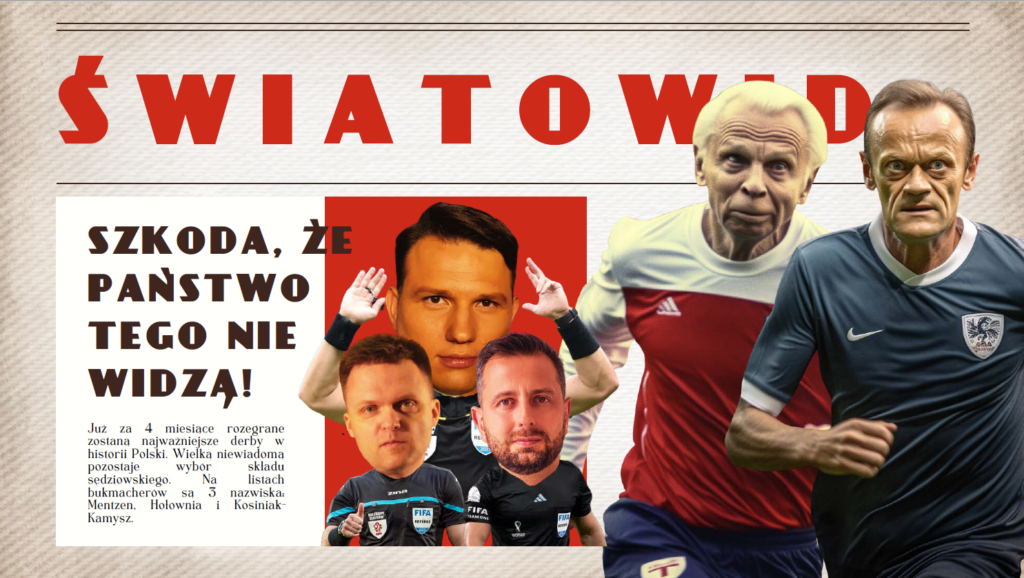
What emotions dominate the Polish socio-political scene, and what trends are beginning to emerge? The “Derby” report is a unique look at the social mood of Poles. Fatigue with polarization is turning into anger, and this anger is turning into a desire for action. The survey shows that 48.1% of respondents prefer a state where everyone is responsible for themselves, while 36.9% see it as a community.
The Confederation is gaining support among young people aged 18-49, with 25% of their electorate coming from former PiS voters. Does this portend lasting changes in the balance of power? On the other hand, the June 4 march, viewed positively by 62.5% of participants, influenced the consolidation of the opposition, which, according to 55% of respondents, should form a joint electoral list.
“Derby” reveals how social aspirations, emotions and hopes shape Poland’s future – analyzing both the past and new vectors of change.
Przedwiośnie
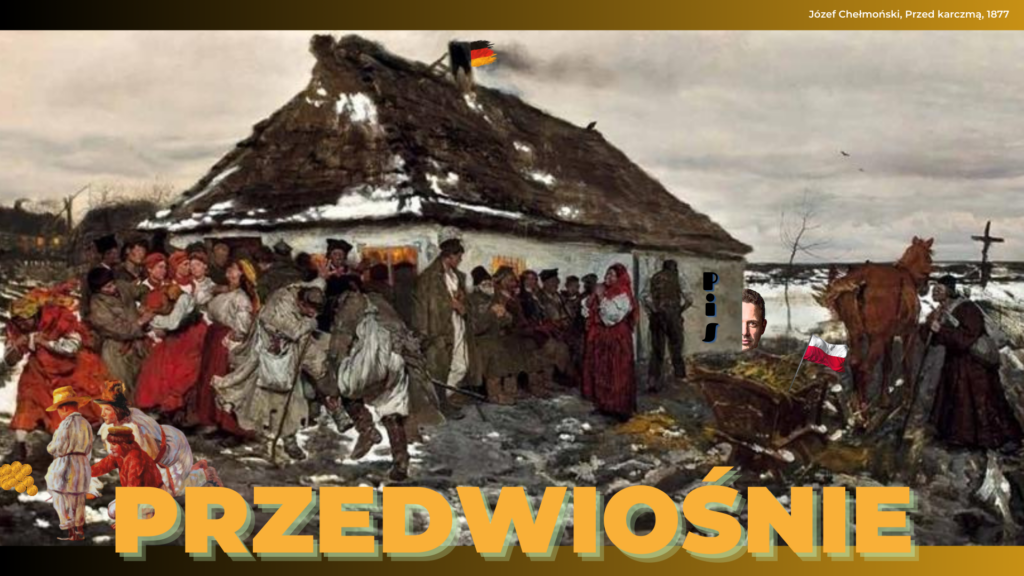
Does “Przedwiośnie” bring hope or only further challenges? The Worldwatch report delves into the emotions of Poles, who are balancing between fatigue with crises and anticipation of stability. Inflation, which many believe is the result of handouts and bad decisions, is causing frustration, and wages are still not keeping up with rising prices. Poles are changing habits – from spending cuts to the rise in popularity of second-hand stores.
Will political polarization allow for agreement? For some, the future is a fight to preserve sovereignty, for others, the need for European cooperation. The war in Ukraine is receding into the background, although concerns about labor market competition with refugees remain. The fall elections become a test for those in power, where inflation and “poverty going” will dominate the campaign. This is a report that not only diagnoses, but also asks: what path will Poland choose?
Murmurs
Is Poland a country that listens to the “murmurs” of society? The “Pomruk” report delves into the emotions and moods of Poles that define our everyday life. Inflation, which many believe is higher than the statistics, is causing frustration, and rising prices are forcing creative saving strategies. The war in Ukraine, though it has become a media backdrop, continues to raise concerns about the future. Will energy and social security be enough to survive the challenges ahead?
Poles are divided, from anxiety over loss of sovereignty to questions about the role of the state and the Church. Discussions about LGBT+, John Paul II or the elections expose generational and political differences. Will Poland find a common language to meet the challenges? This is a report that not only registers emotions, but also provokes reflection on the future of the country and our social relations.
Besieged fortress
Is Poland a besieged fortress or a country full of contradictions? The Worldwatch report shows the emotions of Poles struggling with inflation, war and political divisions. Rising prices and loan installments cause anxiety, while saving strategies become a daily reality. Support for Ukraine inspires pride, but also fatigue and concerns about its own stability. The coming winter is a test of solidarity as energy shortages and rising bills begin to dominate the public debate.
In the background, political rivalry continues – the government is trying to maintain support, while the opposition continues to seek unity. Can the chaos be sorted out and public trust restored? The report shows a country at a pivotal moment, when every decision – from the fight against inflation to energy issues – shapes not only the present, but also the future. It is a story of hope, challenges and attempts to find stability in times of uncertainty.
Summertime sadness
What does Poland look like in times of “summertime sadness”? The June 2022 Worldwatch report takes us on a journey through the emotions of Poles – from fears of inflation, to war fatigue, to frustrations over the political situation. Is a society that not long ago united in the face of crises now ready for new challenges? Or is there a growing sense of loneliness, where solidarity is giving way to fears about the future?
How is the public mood affected by rising prices and credit? Respondents talk about the need to “fish for promotions” and cut holiday costs, while inflation is becoming one of the most frequently cited problems. Is it the effect of pandemics and war, or is it economic policy?
The report does not shy away from difficult topics. Refugees from Ukraine arouse mixed emotions – from pride in Polish hospitality to a growing weariness with aid. At the same time, Poland’s position on the international arena has improved thanks to cooperation with NATO and the EU, although the government’s ambiguously assessed policies are still controversial.
War in Ukraine
Could war, inflation and the migration crisis affect Poland’s future more than we expect? The March 2022 Worldwatch report provides unique insight into Poles’ emotions, fears and hopes in the face of uncertainty. 74% of respondents are concerned about the safety of themselves and their loved ones, and 60% are worried about the impact of refugees on health care. This is more than just data – it’s a picture of a society that balances between solidarity and anxiety.
How are the government and local governments handling the wave of refugees? 90% of Poles think Poland has handled their reception well, but as many as 63% expect the refugees to return to Ukraine once the war is over. In the background of all this is the changing political mood, where PiS still has stable support, but the opposition sees an opportunity in mobilizing the undecided. The report also looks at shifting priorities – the war has pushed back pandemics and inflation, but has not solved these problems.
Losers
What do fears of inflation, pandemic uncertainty and the crisis on the border with Belarus have in common? The Worldwatch report analyzes Poles’ emotions in the face of inflation affecting everyday purchases, fear of economic destabilization, and the challenges of migration and threats from the East. The research reveals that as many as 75% of respondents expect prices to rise further in 2022, while the migration crisis is stirring strong opposition to illegal migration and support for building a wall on the border. At the same time, the COVID-19 pandemic is generating both skepticism about vaccinations and concerns about the inefficiency of the health care system. The report sheds light on the tensions and challenges that define our daily lives, but also points to emotions such as overwhelm, powerlessness and fear that are common to many Poles. It’s a detailed look at public sentiment at a time when every day brings new questions about the future.
Game of Classes
Is Poland a middle-class country, or is it merely dreaming of such an identity? The report, “Worldwatch: A Game of Classes,” uncovers the fascinating socioeconomic paradoxes that shape today’s reality. How did it happen that the lower class, hitherto devoid of hope, began to dream and aspire? What does it mean for the middle class to realize that its status is more fragile than ever? Our research shows how social transfers such as 500+ have not only improved the material situation of millions of Poles, but also remodeled their expectations of the state.
At the same time, the tension between aspirations and fears of losing what has been achieved is redefining society’s political priorities. What emotions dominate? Fear of poverty, frustration at fiscal injustice or a desire for greater stability? The report also reveals surprising shifts in the preferences of the electorate – from criticism of social transfers to a growing demand for economic security and progressive values. This is not only a sentiment analysis, but also an insight into the mechanisms that will determine the future of politics in Poland.
The New Normal
Is Poland ready for a new reality? In the report “The New Normal,” we delve into the moods, expectations and frustrations of Poles who stand on the threshold of transformation. Can political pushback and divisions be overcome? Did the pandemic become a catalyst for change, or did it merely expose weaknesses in the system? Our research uncovers what Poles really think about the future of the state, politics and society. What are their fears, hopes and readiness to embrace the “new normal”? How are Poles’ priorities changing in the face of uncertainty? Worldwatch reveals the dynamics of social emotions – from frustration in the face of pandemic chaos to hope for rebuilding the community. What do Poles think of proposed reforms like the Polish Deal, and do they see them as viable solutions or just another political promise? The report also examines the evolution of political divisions and expectations of leaders who could give a new direction to our reality. This is a story about a society ready for change, but unwilling to entertain illusions.
Poles after a year with COVID-19
How do Poles really feel after a year with the pandemic? In the report “Poles after a year with COVID-19,” we show the emotions and moods that define today’s reality – from frustration over the chaos of austerity to hope for a new normal. Will the pandemic permanently change our social relations, economy and political attitudes? What emerges from our research is a picture of a society on a curve, full of questions about the future, each of which leads to a key conclusion: how to rebuild trust and find ourselves in a new reality. What is the foundation of voters’ optimism? Why can emotions such as hope or apathy define the political map of Poland? The report uncovers these nuances, providing tools for understanding the complex social landscape. It’s a story about the people and the challenges each of us faces, shown through deep analysis and hard data.
Crisis of the Political Elites
In the first Worldwatch, titled “Crisis of the State and Political Elites,” we wanted to capture what is invisible at first glance – the emotions, frustrations and hopes that shape Poland today. Why does the word “elites” evoke such strong, often negative associations? What causes trust in government to decline and society to become increasingly divided? Instead of focusing on superficial assessments, we decided to look deeper – to the core of social tensions and the mechanisms that govern them.
In our survey, we asked how Poles see the future, whether they believe in the possibility of change, and how they evaluate the current power structures. The results showed a picture of a country on a curve, where frustration and lack of social dialogue go hand in hand with the search for new authorities. We analyze social divisions in an attempt to answer the questions of whether there is still space for the middle class, whether elites can rebuild their credibility and how to rebuild the national community.
